
- 02 September 2026
8 Key Factors Influencing LTL Transportation Costs and Service Planning
As an LTL carrier, we continue to see several market dynamics shaping transportation pricing, network capacity, and service delivery. Understanding these trends can help shippers make more informed decisions and better position their supply chains for success in 2027.1. Continued LTL Pricing Pressure
The LTL industry remains focused on maintaining sustainable pricing as carriers manage network investments, operating costs, and available capacity. Across the industry, annual General Rate Increases (GRIs) and yield management initiatives have become standard practices that support service quality, network reliability, and long-term operational efficiency.What this means for shippers: Transportation rates are expected to remain elevated compared to historical levels, making proactive budget planning and supply chain alignment increasingly important.
2. Industry Capacity Remains Constrained
The closure of Yellow Corporation permanently reduced available LTL capacity across the market. While the industry has absorbed much of that freight, overall capacity remains tighter, and demand continues to be concentrated among fewer providers. At Mainfreight, we have continued investing in capacity to support growth, including new purpose-built cross docks and an expanding fleet of local and over-the-road units, helping us remain a reliable long-term transportation partner.What this means for shippers: Carrier diversification and strategic transportation planning remain critical, particularly during seasonal peaks and high-demand periods.
3. NMFC Classification Modernization
The NMFC changes implemented in 2025 continue to shift the industry toward density-based freight classification. As a carrier, we rely on accurate shipment dimensions and weights to ensure proper classification, pricing, and network efficiency.What this means for shippers:
- Accurate dimensions and weight information are more important than ever.
- Improved shipment data can help reduce reclassification charges and billing disputes.
- Technology investments that improve shipment visibility and data accuracy can deliver long-term savings.
4. Fuel Cost Volatility
Fuel remains one of the most significant variable costs in our operation. As diesel prices fluctuate, fuel surcharge programs continue to provide a mechanism for adjusting transportation costs in response to changing market conditions.What this means for shippers: Total transportation spend may vary even when contracted linehaul rates remain unchanged, making ongoing cost visibility and planning important.
5. Increased Focus on Accessorial Services
Accessorial services help carriers address the additional resources required for unique delivery situations. Common examples include:- Liftgate service
- Residential deliveries
- Limited-access locations
- Appointment deliveries
- Re-delivery and detention events
What this means for shippers: Accurate shipment information and proactive planning can help minimize unexpected accessorial charges and improve delivery efficiency.
6. Labor and Compliance Costs
Carriers continue to navigate driver availability challenges, wage inflation, and evolving regulatory requirements. These factors contribute to higher operating costs across the LTL industry.What this means for shippers: Ongoing industry cost pressures are expected to influence transportation pricing, service-related fees, and network investment decisions.
7. Growing Demand for LTL Services
As companies evaluate transportation efficiency, some freight traditionally moved via truckload is being shifted into LTL networks. This trend can create additional demand across key lanes and regions.What this means for shippers: Early planning and collaboration with transportation partners can help secure capacity and maintain service reliability.
8. Investment in Technology and Visibility
We continue to invest in technologies such as dimensioning equipment, automated classification tools, API connectivity, and shipment visibility solutions. These investments are designed to improve accuracy, efficiency, and the customer experience.What this means for shippers: Better shipment data and enhanced visibility can help reduce billing discrepancies, improve planning, and support more informed transportation decisions.
Our Commitment to Growth: Investing in Our Network to Support Our Customers
Take a closer look below at our latest LTL cross dock facilities and see how they are helping strengthen our network and deliver reliable freight solutions across the Americas.
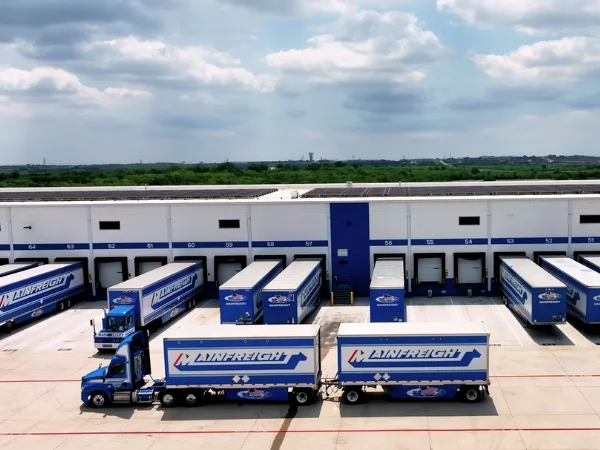
Check out our Fort Worth, TX Cross Dock Facility
- The home of our Dallas Transport, Air and Ocean Teams
- 78 dock doors, 270+ trailer spaces
- Powered by 98.5% renewable energy
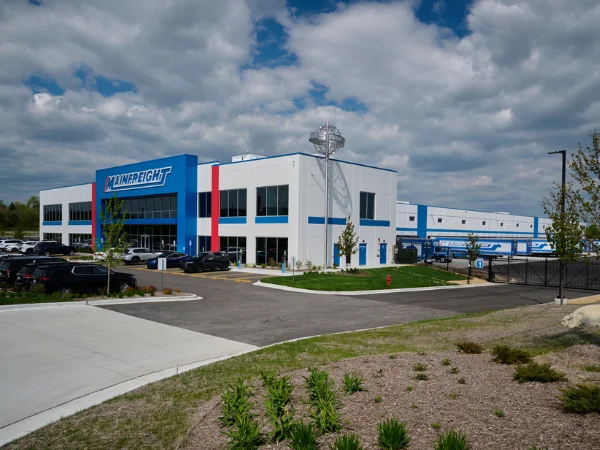
Take a look inside our West Chicago Cross Dock Transport Facility
- The home of our Chicago Transport Team
- 74 dock doors, 160 trailer spaces
- Powered by 98.5% renewable energy