
- 13 August 2026
Brown Marmorated Stink Bug (BMSB) Season 2026-27: Important Changes for Importers
Australia's biosecurity system is among the strictest in the world, helping protect local industries, agriculture, and the environment from invasive pests. As part of these efforts, the Australian Government has announced changes to the management of the Brown Marmorated Stink Bug (BMSB) for the 2026-27 season.
Importers and supply chain operators should be aware that two alternative clearance pathways previously available under seasonal BMSB measures will be discontinued:
-
The BMSB Safeguarding Arrangement Scheme
-
The BMSB Rolled Goods Policy
-
Addition of a NEW onshore BMSB treatment option Ethyl Formate
These changes are designed to further reduce the risk of BMSB entering Australia through imported cargo and to ensure all high-risk goods are managed through approved treatment and compliance pathways.
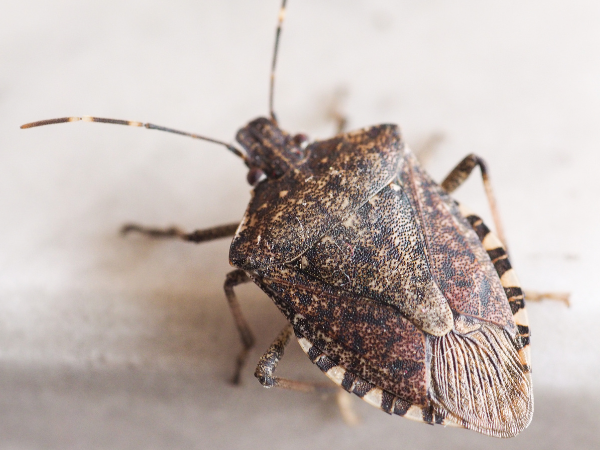
What is Brown Marmorated Stink Bug (BMSB)?
The Brown Marmorated Stink Bug (Halyomorpha halys) is an invasive pest native to parts of Asia that has spread to Europe and North America. It is known for its ability to hitchhike on cargo, shipping containers, machinery, vehicles, building materials, and other exported goods.
Adult bugs typically seek shelter during colder months and can hide in packaging, vehicles, equipment, and freight containers, making international supply chains a common pathway for their movement.
While harmless to humans, BMSB poses a serious threat to:
-
Agriculture and horticulture industries
-
Fruit and vegetable crops
-
Commercial farming operations
-
Native plant species and ecosystems
-
Australia's biosecurity and export reputation
A single infestation can have widespread economic and environmental consequences if the pest becomes established in Australia.
BMSB 2026-27 key things to note
- Season Dates - The 2026-2027 BMSB risk season will apply to target high-risk goods from target risk countries shipped on board a vessel between 1 September 2026 and 30 April 2027 (inclusive)
- Target risk countries - https://www.agriculture.gov.au/biosecurity-trade/import/before/brown-marmorated-stink-bugs#target-risk-countries
- Target high-risk goods - https://www.agriculture.gov.au/biosecurity-trade/import/before/brown-marmorated-stink-bugs#target-high-risk
- Random inspections - Goods from emerging risk countries, together with airfreight consignments from the United States and China, will continue to be subject to random inspections throughout the season.
- Mandatory offshore treatment - Target high-risk goods shipped as break bulk cargo, including flat rack and open top containers, will continue to require mandatory offshore treatment before arrival in Australia.
What this means for importers
- New applications for the Safeguarding Arrangement Scheme will not be accepted.
- Existing approvals granted during the 2025-26 season will no longer be valid.
- Importers must comply with standard BMSB seasonal measure requirements.
- Mandatory treatment requirements will continue to apply to eligible high-risk cargo.
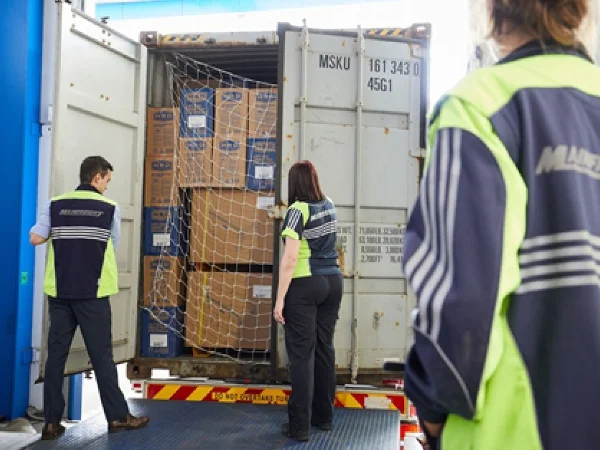
Importers should work closely with freight forwarders such as Mainfreight and supply chain partners to determine the most efficient treatment pathway for their cargo.
Preparing for the 2026-27 BMSB season
With seasonal measures continuing to evolve, proactive planning will be critical to maintaining smooth cargo movement and avoiding costly disruptions.Businesses importing machinery, vehicles, building materials, industrial equipment, and other high-risk goods should review upcoming shipments, treatment requirements, and compliance obligations well before the start of the BMSB season.
At Mainfreight, our customs and biosecurity specialists can help navigate BMSB requirements, coordinate approved treatment options, and support compliance throughout the import process.
Ready to simplify your international trade?
Talk to our experienced, in house customs brokers who will ensure your international freight moves smoothly across borders.
Talk to our Customs Brokers today