
- 17 December 2025
Understanding Chain of Responsibility: Vehicle Requirements
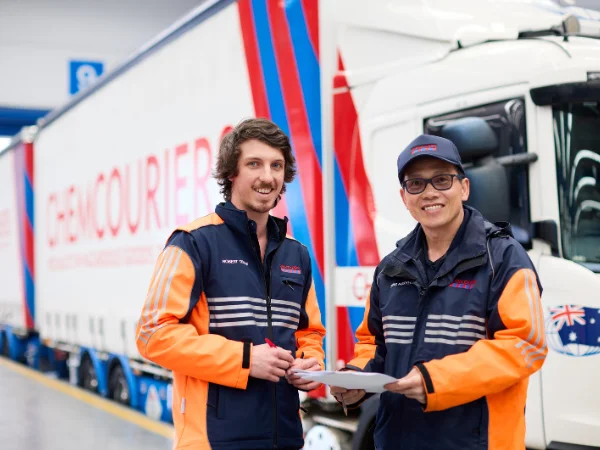
In Australia, Chain of Responsibility (CoR) is a cornerstone of the Heavy Vehicle National Law (HVNL), designed to ensure that safety is not just the driver’s responsibility but shared across the entire transport supply chain. Whether you are a consignor, operator, loader or receiver, CoR laws make it clear - if you influence how goods are transported, you have a legal duty to prevent breaches that could compromise road safety.
One of the most critical aspects of CoR compliance starts with the vehicle itself. Heavy vehicles must meet strict standards for roadworthiness, mass and dimension limits and load restraint. These requirements reduce risks to drivers, other road users and the community. Failure to maintain vehicles or secure loads properly can lead to severe penalties, reputational damage and most importantly, accidents that could have been prevented.
In this article, we’ve compiled a list of frequently asked questions about vehicle requirements.
What safety equipment and documentation are required for vehicles transporting hazardous goods under the Australian Dangerous Goods Code (ADG)?
Vehicles transporting a placard load of dangerous goods must meet specific safety and compliance standards as outlined in the ADG Code. The following key requirements help ensure safe and lawful transport. Compliance with these standards is essential to safeguard drivers, the public, and the environment.
- Emergency Information Holder: A holder must be installed in the truck cab, typically attached to the driver’s door.
- T.E.R.P. (Transport Emergency Response Plan): Must be stored with the emergency information holder.
- Updated AERG (Australian Emergency Response Guide): A current copy must be included in the emergency information holder.
- Proper Placards: Correct, legal-sized placards in good condition must be securely attached to the truck (front, back and both sides of trailers in multi-combination vehicles).
- E.I.P.s (Emergency Information Panels): Accurate and legible panels must be affixed if transporting bulk dangerous goods.
- Trailer Gates: All trailers carrying dangerous goods must have gates fitted. Dangerous goods must not exceed the gate height (only 30% of the top layer may exceed the gate).
- Fire Extinguishers: Properly fitted fire extinguishers suitable for the placard load must be tested and tagged every 6 months.
- Dangerous Goods Load Plan: An accurate load plan for multi-combination units must be readily accessible to authorities upon request.
- First Aid Kit: A stocked first aid kit must be present in the cab.
What are the implications for non-compliance? For any breach, is it solely the driver who is responsible?
No, the driver is not solely responsible. Under the Heavy Vehicle National Law (HVNL), the safety of transport activities involving a heavy vehicle is a shared responsibility among all parties in the Chain of Responsibility. These duties cannot be transferred or contracted out. For example, a Category 1 offence (where a person is reckless regarding the risk) can result in a maximum penalty of $424,794 and/or up to 5 years’ imprisonment for an individual, while a corporation could face a maximum penalty of $4,113,837.
How does Chemcouriers ensure its fleet complies with these laws and regulations?
Every new vehicle added to our fleet must meet all regulatory requirements from day one. We conduct weekly truck audits to verify that all mandatory equipment is present and functional. Drivers undergo annual Dangerous Goods assessments to maintain high safety standards. Our modern fleet and maintenance systems ensure all servicing is up to date, eliminating the risk of non-compliance.
While not a certified training organisation, Chemcouriers is one of the few carriers specialising in hazardous goods transport. Are you confident your business is meeting its obligations? We're here to help. Our investment in Chain of Responsibility compliance reflects our commitment to protecting your business.
Learn more about our Dangerous Goods Transport services
Need to transport Dangerous Goods or Hazardous Goods? Discover how Chemcouriers can support your domestic transportation needs.
Learn More